

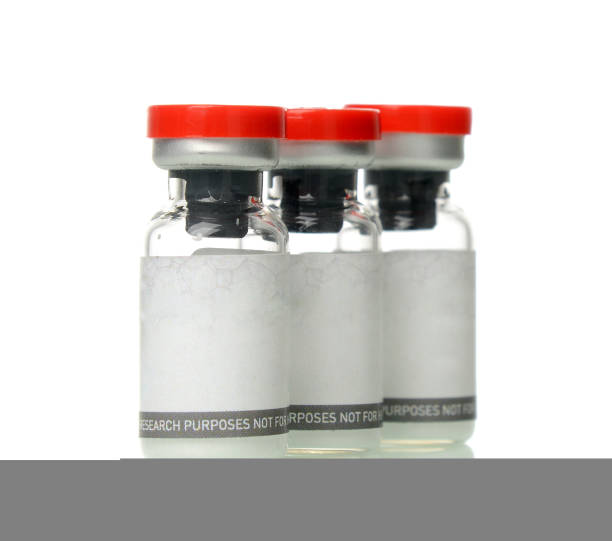
Quick Answer: BPC-157 (Body Protection Compound-157) is a synthetic pentadecapeptide derived from a protein found in gastric juice. In research settings it has shown regenerative effects on tendons, ligaments, muscle tissue, and gut mucosa. It works primarily through upregulation of growth hormone receptor expression and modulation of nitric oxide systems. It is sold for research purposes only.
Healing research has a few compounds that come up again and again in peer-reviewed literature, and BPC-157 is consistently one of them. Since its first characterization by Dr. Predrag Sikiric and his team at the University of Zagreb in the 1990s, this pentadecapeptide has accumulated a genuinely unusual research profile across multiple tissue types and injury models.
What makes it stand out is breadth. Most peptides studied in regenerative contexts work through a single mechanism or target a specific tissue. BPC-157 shows up in studies involving tendons, ligaments, bone, gut lining, nerve tissue, and the cardiovascular system. That cross-tissue activity has made it one of the most searched compounds among researchers working in recovery biology and tissue repair.
This article covers what the science says, how the compound works mechanistically, and what researchers need to know about sourcing BPC-157 peptide for sale at verified purity levels.
What Is BPC-157 and Where Does It Come From?
BPC-157 is a 15-amino-acid sequence (Body Protection Compound-157) derived from a naturally occurring protein found in human gastric juice. The parent protein was identified as having cytoprotective properties in the gut, and BPC-157 represents the biologically active fragment responsible for much of that activity.
It is fully synthetic. No extraction from animal or human sources is involved in research-grade production. It is manufactured via solid-phase peptide synthesis (SPPS) and characterized by high-performance liquid chromatography (HPLC) and mass spectrometry to confirm sequence integrity and purity. Reputable sources ship with third-party certificates of analysis confirming purity at 99% or above.
The compound is water-soluble and relatively stable when stored correctly, which gives it practical advantages over some more fragile peptides. Lyophilized (freeze-dried) powder stored at -20 degrees Celsius maintains activity for extended periods, making it appropriate for longer research timelines.
How Does BPC-157 Work? The Core Mechanisms
Understanding why BPC-157 shows effects across multiple tissue types requires looking at what it does at the cellular level, not just what tissues respond to it.
Growth Hormone Receptor Upregulation
One of the primary mechanisms identified by Sikiric’s group is the upregulation of growth hormone receptor expression in tendon fibroblasts and other connective tissue cells. This means BPC-157 doesn’t directly supply growth hormone; it makes cells more sensitive to the growth hormone already present. The downstream effect is accelerated collagen synthesis and cell proliferation in injured tissue.
Nitric Oxide System Modulation
BPC-157 interacts with the nitric oxide (NO) signaling pathway in ways that appear to support angiogenesis, the formation of new blood vessels. After injury, adequate vascular supply is one of the rate-limiting factors in healing, particularly in tendons and ligaments that have relatively poor baseline circulation. Increased NO activity promotes endothelial cell migration and new capillary formation into injured tissue.
A 2010 study in the Journal of Physiology demonstrated that BPC-157 accelerated tendon-to-bone healing in a rat Achilles tendon transection model, with histological evidence of enhanced vascular ingrowth at the injury site compared to saline controls. The effect was dose-dependent and consistent across multiple repetitions of the experiment.
Cytoprotective Effects on Gut Mucosa
The gastric origins of BPC-157 predict its gut activity, and the research bears that out. Multiple rodent studies have shown protective effects against NSAID-induced gastric lesions, inflammatory bowel model damage, and intestinal anastomosis healing. The mechanism involves both direct mucosal protection and modulation of inflammatory cytokine profiles, specifically a reduction in TNF-alpha and IL-6 expression in inflamed gut tissue.
What the Research Actually Shows: Key Studies
The volume of BPC-157 research is substantial but concentrated in animal models. Human trials are limited, a point worth stating honestly for researchers evaluating the compound.
Tendon healing: A series of studies from the Zagreb group, published between 2003 and 2018 in journals including the Journal of Orthopaedic Research and Injury, consistently demonstrated accelerated collagen remodeling and tensile strength recovery in transected tendons treated with BPC-157 versus controls.
Muscle injury: Research in Muscle and Nerve (2014) showed that BPC-157 improved functional recovery in a rat crush injury model, with animals showing faster return of electrophysiological function and reduced fibrosis at the injury site.
Gut healing: A 2016 review in Current Pharmaceutical Design summarized 20+ years of gut research on BPC-157, concluding consistent cytoprotective effects across a wide range of gastrointestinal injury models.
Neurological tissue: More recent work has examined BPC-157 in spinal cord injury models and peripheral nerve damage. Early findings suggest neuroprotective properties, though this is the least developed area of the literature and should be treated as preliminary.
Important note: All published research is conducted in animal models. BPC-157 is not FDA-approved for human use and is sold strictly as a research compound.
What Researchers Need to Know When Looking for BPC-157 Peptide Where to Buy
Purity is not uniform across suppliers. This is the single most critical variable for research validity. A compound at 85% purity with 15% unknown contaminants does not produce the same experimental results as a compound at 99.5% purity, and comparing data across studies that used different purity grades is a source of significant noise in the literature.
What a credible supplier provides:
HPLC certificate of analysis (CoA): This shows the purity percentage as measured by high-performance liquid chromatography. Any supplier without an HPLC CoA is not a research-grade source.
Mass spectrometry confirmation: MS data confirms the molecular weight matches the expected sequence. This rules out sequence errors that HPLC alone may not catch.
Third-party testing: The most rigorous suppliers use independent laboratories rather than in-house testing, which eliminates confirmation bias in the results.
Storage and shipping conditions: BPC-157 should ship as lyophilized powder with cold packs or dry ice for longer transits. Liquid forms are less stable and inappropriate for research inventory.
NEXA Peptides has supplied research institutions and independent researchers since 2012, maintaining a verified BPC-157 peptide product with 99%+ purity confirmed by third-party HPLC. The supply chain is documented and the same-day dispatch policy means research timelines are not disrupted by shipping delays.
BPC-157 vs. TB-500: How They Compare in Tissue Repair Research
These two compounds come up together frequently because their research applications overlap significantly. Both show effects in connective tissue repair models. The mechanisms differ.
BPC-157 works primarily through GH receptor upregulation and NO modulation. Its effects appear strongest in tendon, ligament, and gut tissue.
TB-500 (Thymosin Beta-4) works through actin regulation and cell migration. It shows stronger activity in muscle repair and cardiac tissue models.
In practice, some research groups study them in combination because they target complementary pathways in healing. A combined protocol may produce additive effects in tendon-muscle junction injuries where both tissue types are involved. NEXA also carries a BPC + TB blend for researchers running comparative or combination studies.
Frequently Asked Questions
Q: What is BPC-157 peptide used for in research?
BPC-157 is studied for its regenerative effects on connective tissue (tendons, ligaments), gastrointestinal mucosa, muscle, and neurological tissue. The majority of published research is in rodent models and focuses on injury repair mechanisms.
Q: What purity should BPC-157 have for research use?
Research-grade BPC-157 should have a minimum purity of 98%, with 99%+ preferred for experimental work where dose-response relationships are being characterized. Always verify purity with an accompanying HPLC certificate of analysis.
Q: How should BPC-157 be stored?
Lyophilized BPC-157 powder should be stored at -20 degrees Celsius for long-term stability. Once reconstituted in bacteriostatic water, it should be kept at 4 degrees Celsius and used within 2 to 4 weeks. Avoid repeated freeze-thaw cycles after reconstitution.
Q: Is BPC-157 available for human use?
No. BPC-157 is not FDA-approved for human use and is sold for research purposes only. It is not a drug, supplement, or therapeutic agent. Any application outside research settings is outside the intended and legal scope of sale.
Q: How is BPC-157 different from synthetic growth hormone?
BPC-157 does not contain or mimic growth hormone. It upregulates the receptor sensitivity for growth hormone already present in the body. Synthetic growth hormone supplies exogenous GH directly. The mechanisms are related but fundamentally different, which is why they can be studied in combination without redundancy.